Insights from Humboldt Professor Florian Waldow’s Research with Experience Workshop
How do international educators actually experience Finnish education—beyond reputation, rankings, and policy narratives?
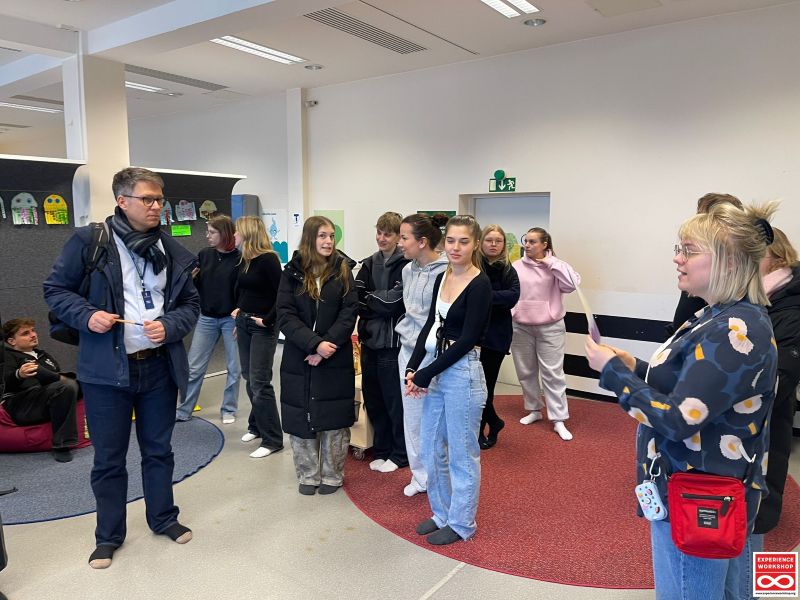
This question was at the centre of a recent collaboration with Florian Waldow, Professor of Comparative and International Education at Humboldt University, Berlin. During a four-week research stay in Finland, Waldow closely followed GEB students participating in study visits organised by Experience Workshop.
“Insights that would have been hard to get otherwise”
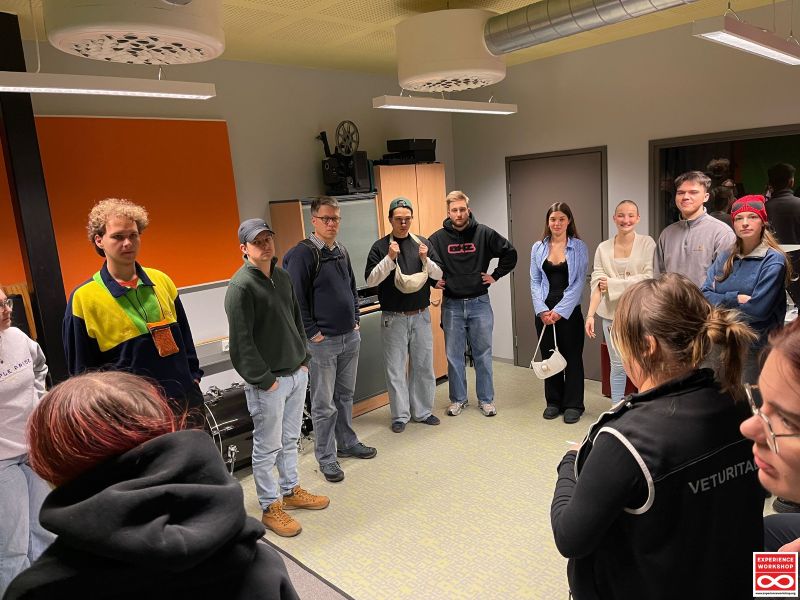
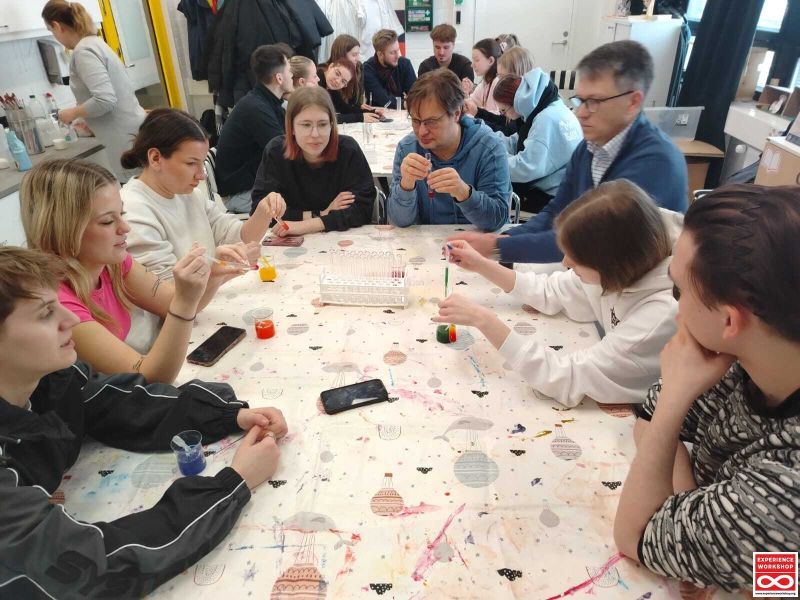
What makes this collaboration particularly valuable for Experience Workshop is its methodological depth. Rather than relying only on interviews or feedback forms, Waldow worked as a participant observer, accompanying the group throughout their entire visit—inside schools, during informal moments, and in evening reflection sessions.
“Being a participant observer rather than just interviewing group members proved a major asset and provided insights that would have been hard to get otherwise.”
From an educational development perspective, this matters. It shows that the value of study visits lies not only in what is presented, but in how it is experienced, interpreted, and discussed by participants in real time.
“What is ‘normal’ is not the same everywhere”
One of the most revealing aspects of the study was how quickly assumptions surfaced. Encounters with Finnish education did not simply confirm expectations—they challenged them.
“These encounters threw into sharp relief the German students’ and their Finnish counterparts’ differing preconceptions of what they considered ‘normal’ and what they did not.”
A concrete example illustrates this well. While both German and Finnish perspectives emphasised independence, the meaning of this concept differed in practice:
“The German students were surprised by the amount of time Finnish primary school pupils are supposed to spend on their own, while on the other hand they had not expected that in a day-care centre they visited children were not allowed to go to the toilet independently or play unsupervised.”
Such moments are where learning becomes visible. They reveal how educational ideas—such as autonomy—are shaped by context, not universally shared definitions.
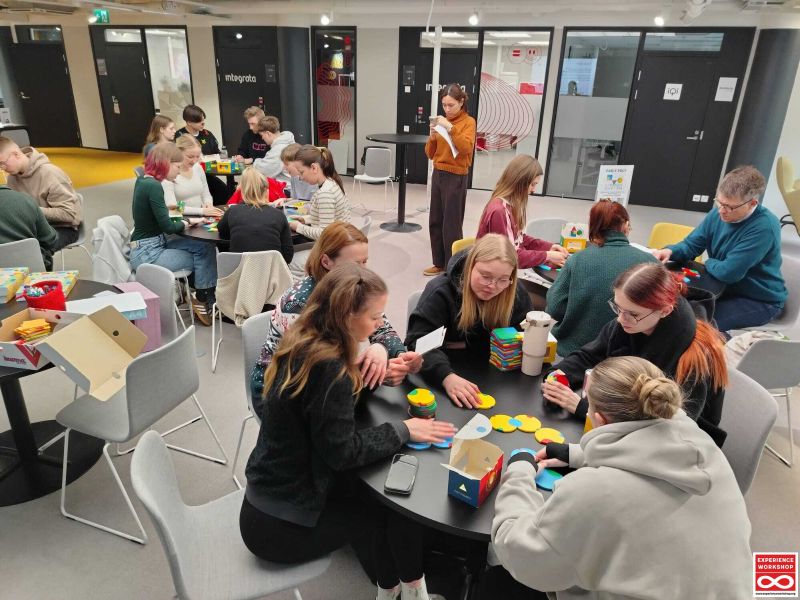
“From experience to reflection”
For Experience Workshop, these findings reinforce a key principle. Well-designed study visits are not only about access to schools or systems. They depend on structured reflection, guided interpretation, and space for dialogue.
Participants do not simply observe. They actively make sense of what they see—sometimes aligning it with their expectations, sometimes questioning it. Supporting this process is central to meaningful educational exchange.
“A roaring success”
The collaboration also highlights the importance of the people behind the programmes. Waldow explicitly acknowledges the role of Experience Workshop colleagues in enabling this work:
“With regard to both of its main objectives, my visit turned out to be a roaring success… thanks to the openness and support of Nora Somlyody, Tereza Pruknerova and Charlotte Au Yong at Experience Workshop.”
This kind of feedback reflects more than good organisation. It points to the quality of facilitation, access, and trust that makes deeper engagement possible.
Looking ahead
The project is still in its early stages, with further analysis and joint publications underway. However, one conclusion is already clear: studying how visitors experience and interpret Finnish education opens a valuable new perspective—one that can directly inform the design of future programmes.
And perhaps the most telling outcome is a simple one:
“I am certainly planning to come back.”
For Experience Workshop, this signals something important. Not only successful visits—but the beginning of sustained research collaboration.